

People book liposuction hoping the scale will move. It won’t, and expecting it to is the fastest route to disappointment with an otherwise clean result.
Medically reviewed by Dr. Jamil Al Jamali, German Board (Facharzt) certified Consultant Plastic, Reconstructive & Hand Surgeon, Dubai. Last reviewed: January 2026. About Dr. Jamil.
Key Takeaways
- Liposuction sculpts localized fat; it is not a weight-loss procedure.
- 4D Vaser reveals muscle definition that already exists under stubborn fat.
- Skin elasticity and a stable weight determine whether the result is clean.
Most people who ask about liposuction are hoping to lose the last stubborn stone that diet never touched. That expectation is the problem, and it usually surfaces as disappointment even when the surgery went perfectly. Liposuction removes localised fat to reveal a shape underneath, and that shape is almost always one already built through training. Think of it as a sculpting tool, not a weight-loss tool. Confusing the two is the single most common reason patients feel let down.
Removing Fat vs Losing Fat
Your body carries a roughly fixed number of fat cells, set in adulthood. Liposuction physically removes fat cells from a targeted area. Dieting shrinks fat cells throughout the body without eliminating them. That distinction explains a lot, including why liposuction produces localised, lasting changes to one area while remaining fat cells elsewhere can still expand if weight climbs afterward. The sculpted area stays improved, but the overall balance can shift if the weight is not maintained.
What the “4D” Actually Means
Standard liposuction takes fat out in a fairly even layer to slim an area. Four-dimensional Vaser sculpting is more deliberate, varying the depth and pattern of removal to expose the natural grooves between muscle groups. The fourth dimension refers to how the result looks in motion, when muscles contract, rather than frozen in a single standing photo. Vaser itself uses ultrasound energy to loosen fat before removal, which lets the surgeon work more precisely around muscle borders.
Real Results
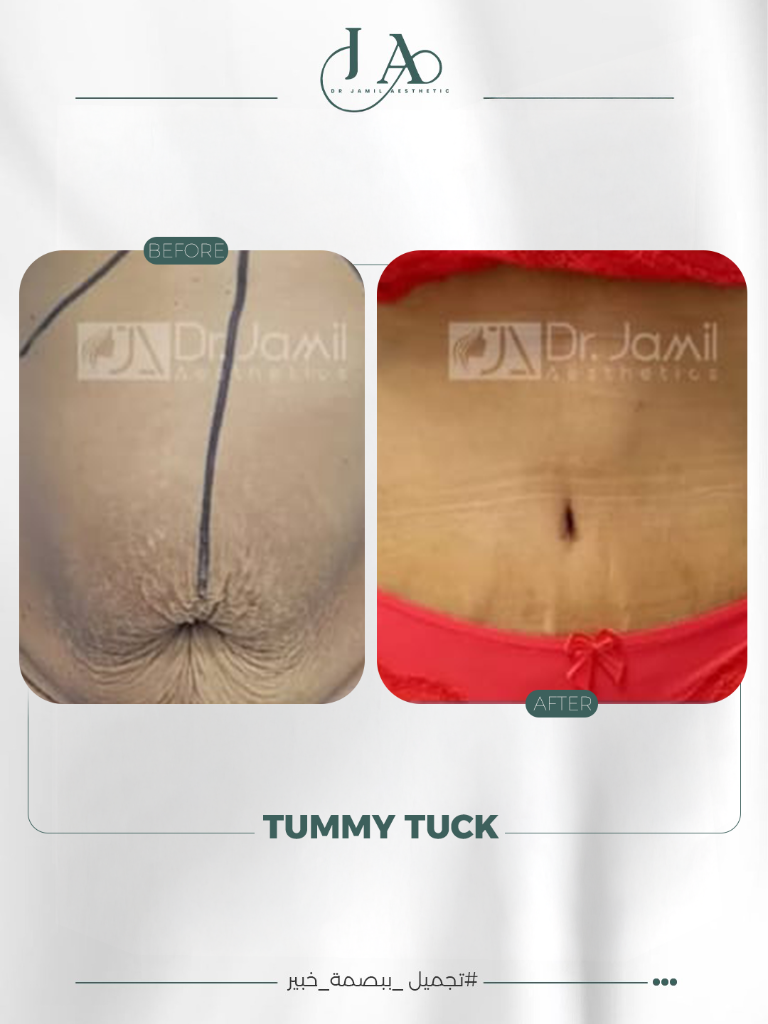 Before / After
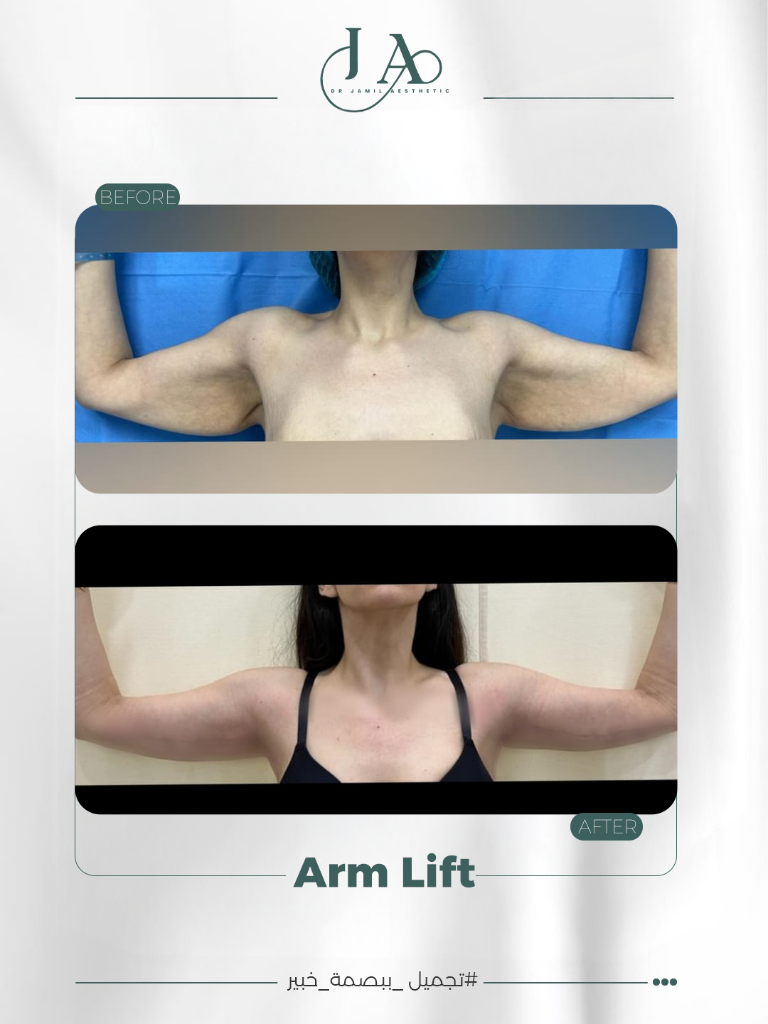 Before / After
Individual results vary. Cases shown with patient consent.
Why This Is Not the Same as Getting Thinner
The ideal candidate sits at a stable weight with real muscle under stubborn fat, because the definition being uncovered already exists. The surgery reveals structure; it does not manufacture it. A patient carrying substantial excess weight with little underlying tone will not walk away athletic, because there is no defined musculature beneath the fat to expose. An honest surgeon will sometimes send that patient to address weight first, through medical or lifestyle means, before contouring at all. Operating on the wrong candidate yields a smaller version of a soft shape.
Where It Works Best
On men, the technique often defines the abdominal and chest lines, and it pairs naturally with gynecomastia correction when glandular chest tissue is also present. On women, it more often refines the waist, flanks, and the transition into the hips for a smoother, more athletic line. In both cases the aim is a believable result that fits the person's frame, in keeping with the quiet aesthetic that defines Dr. Jamil's approach to the body. Over-aggressive etching that looks obviously carved is a failure mode, not a target.
What Liposuction Will Not Fix
Liposuction removes fat. It does not tighten significantly loose skin, and it does not repair separated abdominal muscle. A patient whose main issue is hanging skin after major weight loss, or muscle separation after pregnancy, needs a tummy tuck instead of, or alongside, liposuction. Suctioning fat from under loose skin can even make the looseness more obvious. Matching the procedure to the real problem, rather than to the one the patient walked in naming, is the whole value of a proper assessment.
The Skin Question Decides the Result
The factor that most often determines a clean outcome is skin quality. Young, elastic skin retracts smoothly over the new, smaller contour. Skin that has lost elasticity, from age, weight swings, or pregnancy, may not fully retract, leaving looseness the liposuction cannot fix and can even highlight. A careful assessment weighs skin honestly, not just fat. For someone with good tone, liposuction alone gives a refined result. For someone with real laxity, a tightening or skin-removal procedure is the more honest recommendation, even though it is a bigger operation.
Safety Sets the Limit
There is a safe volume of fat to remove in one session, and it is a medical limit rather than a matter of ambition. Taking too much in a single operation raises real risks around fluid balance and recovery. A responsible surgeon works within those limits and, for extensive contouring, stages the work across more than one session rather than exceeding what is safe for a faster result. Anyone promising an unusually large removal in one go is describing a risk, not a technique.
Realistic Timelines
Compression garments go on for several weeks to control swelling and help the skin redrape over the new contour. Most patients return to desk work within a few days to a week and to exercise around three to four weeks, depending on how much was treated. The sculpted result is not visible immediately, since swelling hides the definition for weeks, and the true contour emerges over three to six months. Judging it at two weeks, still swollen and in a garment, is a reliable way to worry for no reason.
Liposuction, Tummy Tuck, or Weight Loss
It helps to line up the neighbours. Medical or lifestyle weight loss shrinks fat everywhere and is the right tool for reducing overall body weight. A tummy tuck removes loose skin and repairs muscle. Liposuction sculpts localised fat in someone already near their target. Three different problems, three different tools, and reaching for the wrong one is where most disappointment comes from. A good consultation often reorders the plan a patient walked in with.
What the Evidence Says
The American Society of Plastic Surgeons is explicit that liposuction is not a weight-loss method or a treatment for obesity, but a contouring procedure for localized fat in patients near a stable weight. (Source: American Society of Plastic Surgeons (ASPS).)
FAQ
Is Vaser better than traditional liposuction?
Vaser uses ultrasound energy to loosen fat before removal, allowing more precise sculpting around muscle contours and a smoother result. Whether it is the better choice depends on the area and the goal.
Will results reverse if I gain weight?
The removed fat cells do not return, but remaining cells elsewhere can expand with significant weight gain, changing the proportions of the result. A stable weight preserves the outcome.
Can liposuction remove loose skin?
No. It removes fat but does not tighten significantly loose skin. Patients with real laxity usually need a skin-removal procedure such as a tummy tuck instead of, or alongside, liposuction.
Am I a candidate for 4D high-definition liposuction?
The best candidates are near their target weight with existing muscle tone under localised stubborn fat. Patients seeking overall weight reduction are better served by addressing that first.
When will I see the final result?
Initial swelling settles over four to six weeks, with the more defined contour emerging over three to six months as tissue settles and skin redrapes.
Built the muscle and still cannot see the definition? That is usually a contouring problem, not an effort problem. A Strategic Anatomical Assessment will tell you honestly whether 4D sculpting is the right next step, or whether it is not yet. Request a consultation.