

Facial Re-engineering
Deep Plane Facelift
The anatomical gold standard in facial rejuvenation. Not a skin pull — a deep structural re-engineering that endures for decades without the telltale signs of surgery.
The Problem
Why Most Facelifts Age Badly
The majority of facelifts performed globally operate on the wrong layer. By pulling skin alone, surgeons create results that look immediately obvious — the windswept tension, the altered hairline, the ear distortion. Within five years, the skin re-descends and the patient is left with scars but no lasting correction. This is not inevitable. It is a consequence of technique.
Surgical Philosophy
Dr. Jamil's approach begins beneath the surface. The deep plane technique repositions the entire SMAS-platysma-ligament complex — the true structural layer of the face — rather than the overlying skin. The result is a lift that follows the face's own anatomical logic: natural in motion, natural in stillness, and natural in 15 years.
The Technique
The Deep Plane Technique
Surgery is performed under general anaesthesia at Medcare Hospital Al Safa. Incisions are placed within the natural hairline and behind the ear, making them imperceptible once healed. Dr. Jamil releases the deep facial ligaments and repositions the SMAS layer vertically — the direction gravity reversed. Excess skin is removed conservatively. The neck and jawline are addressed simultaneously. Operating time is typically 4–6 hours. The result is immediate structural improvement that continues refining for 6–12 months.
Key Benefits
- Results lasting 10–15+ years without looking 'done'
- Natural facial movement preserved — smiling, speaking, expressiveness
- Jawline definition and neck laxity addressed in the same procedure
- Incisions hidden within the hairline and natural ear contours
- No 'windswept' or pulled appearance — by design, not by luck
Why Dr. Jamil's Approach Is Different
- Dr. Jamil trained under pioneers of the deep plane technique in Germany and Europe
- Every facelift plan includes neck and jawline — never isolated in artificial segments
- No junior surgeon involvement — Dr. Jamil performs every procedure personally
Ideal Candidate
Patients in their 40s–60s experiencing moderate to significant facial descent: jowling, nasolabial fold deepening, neck laxity, and midface ptosis. Also appropriate for patients who have had previous facelifts that require correction.
Recovery Overview
Most patients are socially presentable within 3–4 weeks. Bruising resolves in 2–3 weeks. Final, settled results are visible at 6–12 months. Follow-up at 1 week, 1 month, 3 months, and 12 months.
Private Consultation
Begin with a Strategic Assessment
Our coordinator responds within 24 hours. All information is medically confidential.
Related Procedures
Real Results
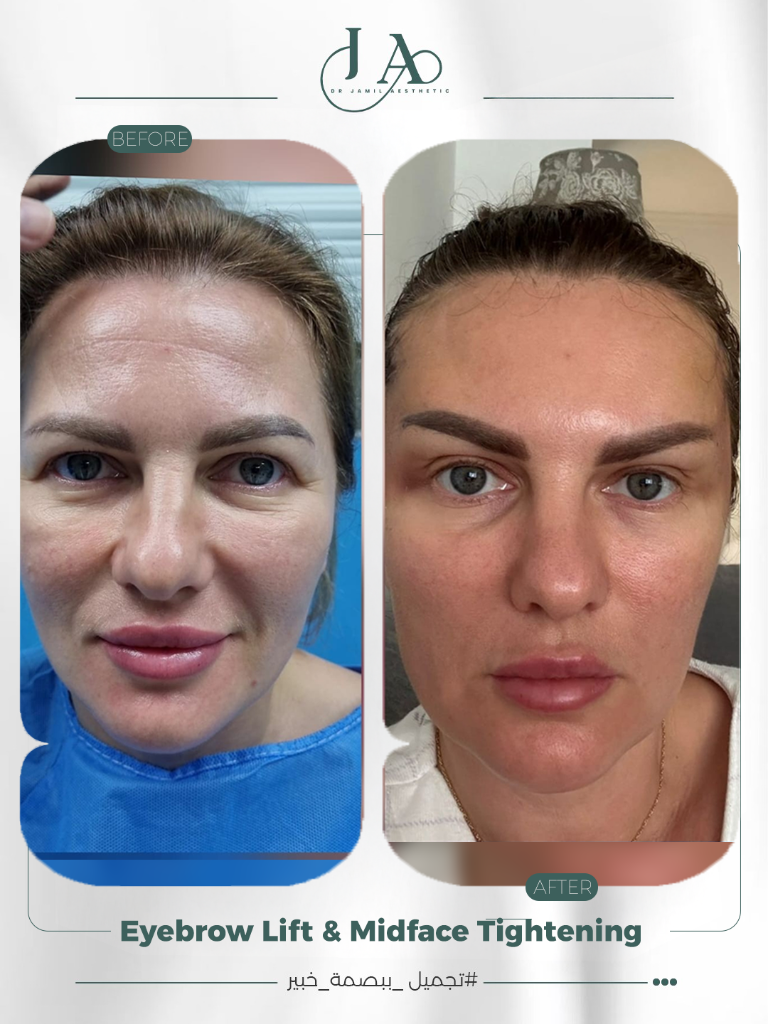
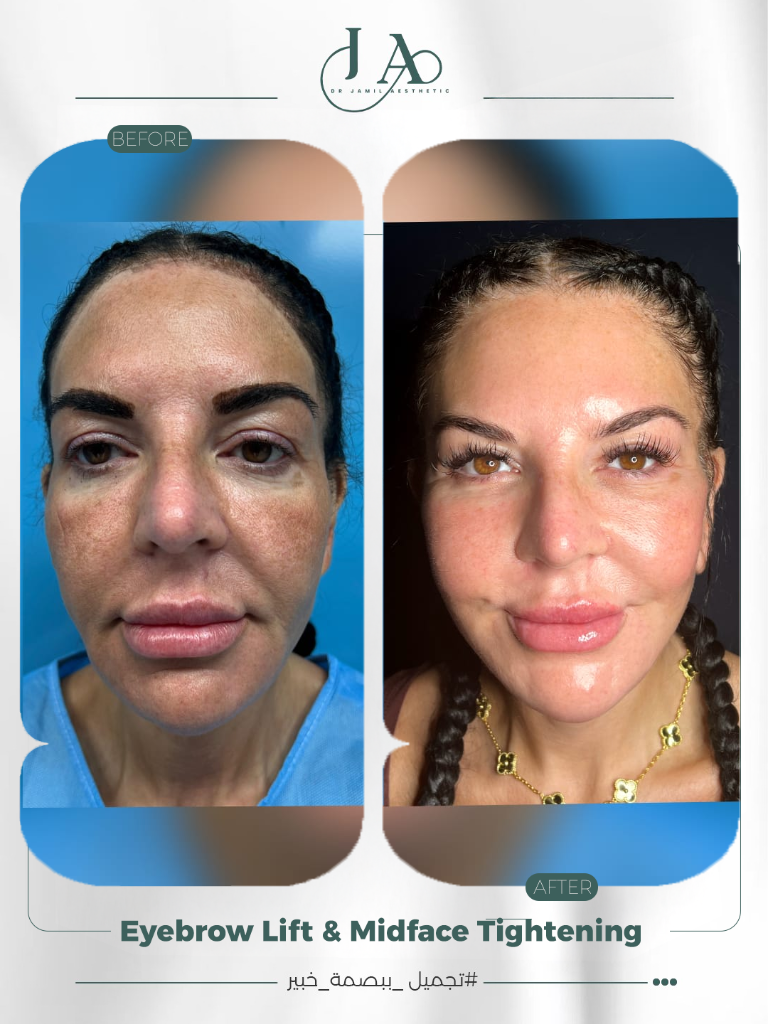
Deep Plane Facelift Results
Authentic before & after cases from Dr. Jamil's practice
Questions
Deep Plane Facelift — Common Questions
Honest answers. No omissions.
Also Consider
Related Procedures
Facial Re-engineering
Neck Lift & Platysmaplasty
The cervicomental angle — the sharp, youthful definition between jaw and neck — is the most reliable marker of facial youth. When it softens, no amount of facial treatment can fully compensate. We restore it surgically.
Learn MoreFacial Re-engineering
Micro-Blepharoplasty
The eyes communicate before a word is spoken. Micro-blepharoplasty engineers the periorbital frame — eliminating fat herniation, restoring the natural lid crease, and redistributing volume — without altering the eye's identity.
Learn MoreFacial Re-engineering
Structural Rhinoplasty
The nose is the architectural centre of the face. We do not reduce it arbitrarily — we rebuild its cartilaginous foundation for harmony, balance, and breathing function that endures for life.
Learn MorePatient Education Centre
From the Masterclass

Filler Can Add Volume. It Can’t Remove a Bag.
Under-eye puffiness and under-eye hollowing look almost identical in the mirror and need opposite treatments. The under-eye area is where a well-meant quick fix most often turns into a longer, costlier one.
Read Article
The “Pulled” Look Is a Facelift Done at the Wrong Depth
That tight, wind-tunnel look people dread doesn’t come from too much surgery. It comes from surgery done on the skin when the problem was three layers deeper.
Read Article
Deep Plane vs. SMAS Facelift: Why the Depth Matters
The distinction between a deep plane and SMAS facelift is not merely technical — it defines whether your result looks natural in 15 years or reveals its origins.
Read ArticleBegin Your Journey
Request a Strategic Consultation
Private. Bespoke. Unhurried. Take the first step toward a surgical outcome engineered specifically for your anatomy.